FEMS EUROMAT 2025 HIGHLIGHTS
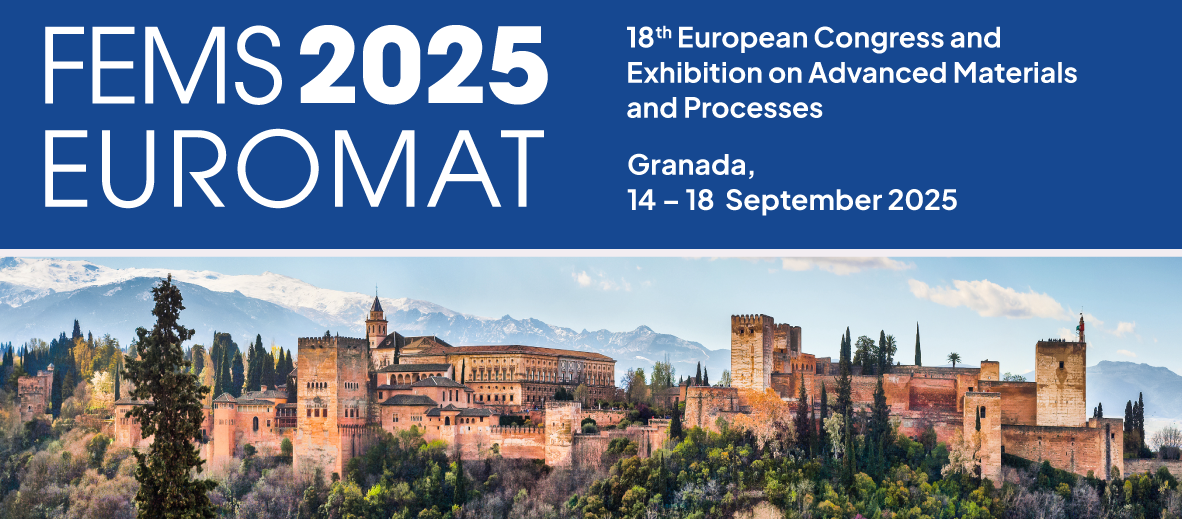
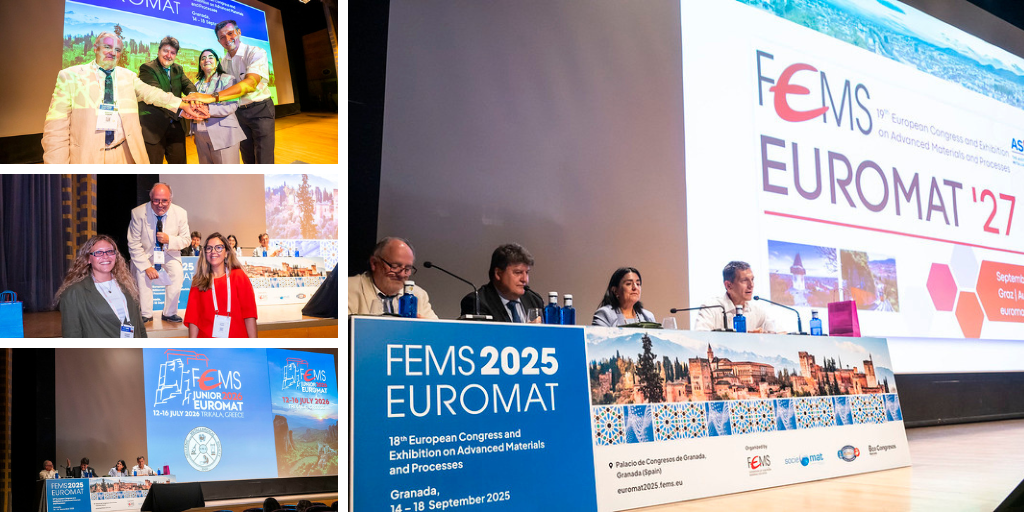
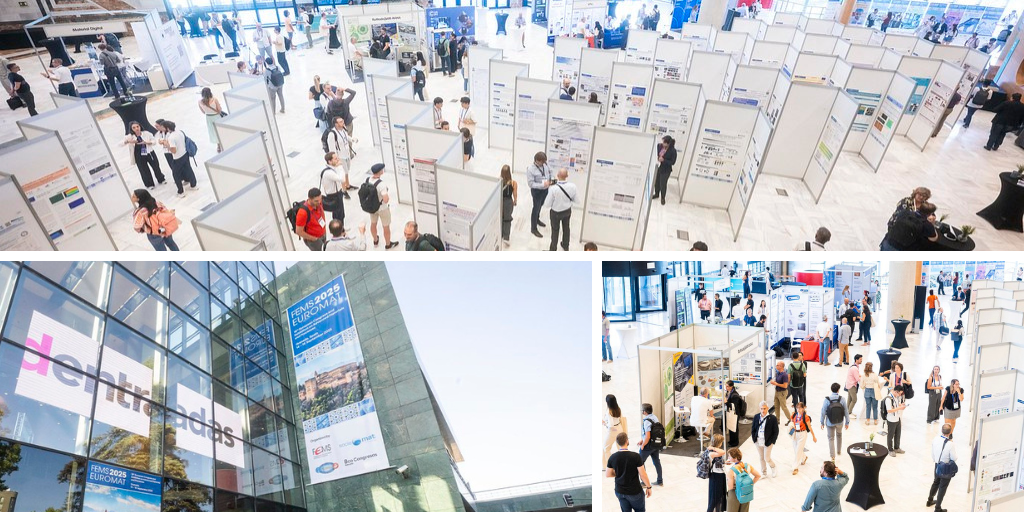
The 18th FEMS EUROMAT Congress took place in Granada from September 15 to 18, bringing together over 1,800 scientists at the Granada Conference Center to discuss the future of advanced materials and processes. Researchers from more than 30 countries presented their work across eight main areas: functional materials, structural materials, processing, characterization and AI, energy and transport, materials for healthcare, education and technology transfer, and materials for sustainability.
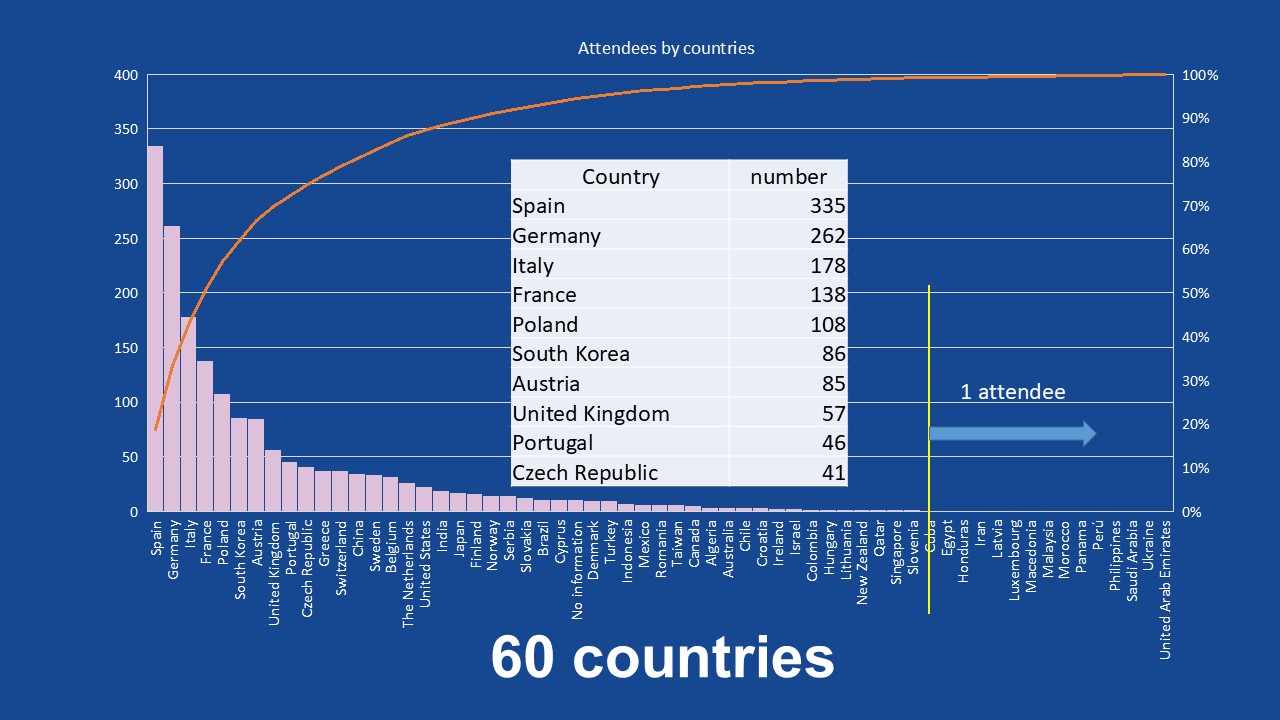
Recognized as Europe’s largest event in the field of materials science and technology, EUROMAT 2025 stood out for its strong participation of young scientists, around 30% of the participants were students, highlighting the commitment of the next generation of scientists to advancing their expertise. Unlike most scientific events, all attendees presented their own research, encouraging a high level of knowledge exchange and scientific quality. The countries with the highest attendance included Spain, Germany, Italy, France, Poland, South Korea, Austria, the UK, Portugal, and the Czech Republic.
The event was organized by SOCIEMAT on behalf of FEMS (Federation of European Materials Societies), which brings together national materials societies across Europe to promote progress in materials science, engineering, and technology. Since 1989, EUROMAT congresses have been held in various European cities, becoming a key meeting point for experts and professionals in the field.
SCIENTIFIC HIGHLIGHTS
- Gloria Rodríguez, Universidad de Castilla-La Mancha (UCLM)
- Juan José de Damborenea, Centro Nacional de Investigaciones Metalúrgicas (CENIM CSIC)
- Daniel Sola, Fundación Aragonesa de I+D, Universidad de Zaragoza (ARAID-UNIZAR)
- Paloma Fernández, Universidad Complutense de Madrid (UCM)
- Teresa Guraya, Universidad del País Vasco/Euskal Herriko Unibertsitatea (UPV-EHU)
- Anna Muesmann, SOCIEMAT
- Irene García Cano, Universitat de Barcelona (UB)
Prof. Dr. Theodora Kyratsi, University of Cyprus
Prof. Dr. Francesco Baldi, University of Brescia
B. STRUCTURAL MATERIALS
Prof. Dr. Francisca G. Caballero, National Center for Metallurgical Research (CENIM CSIC)
Prof. Dr. Greg Haidemenopoulos, University of Thessaly
C. PROCESSING
Prof. Dr. Christof Sommitsch, Graz University of Technology
Prof. Dr. Sandra Carvalho, University of Coimbra
D. CHARACTERIZATION, MODELING AND ARTIFICIAL INTELIGENCE
Prof. Dr. Joanna Wojewoda-Budka, Polish Academy of Sciences
Prof. Dr.-Ing. Thomas Niendorf, Kassel University
E. ENERGY AND TRANSPORTATION
Dr.-Ing. Dirk Lehmhus, Fraunhofer Institute for Manufacturing Technology and Advanced Materials IFAM
Prof. Dr. Donatella Giuranno, National Research Council of Italy (CNR)
F. MATERIALS FOR HEALTHCARE
Prof. Dr. Antonio Salinas Sánchez, Complutense University of Madrid
Prof. dr. ir. Annabel Braem, KU Leuven
G. EDUCATION, DISSEMINATION, STRATEGY, AND TECHNOLOGY TRANSFER
Dr. Faith Nightingale (UK), Queen Mary, University of London
Dr. David Mercier, ANSYS
H: MATERIALS FOR CIRCULARITY AND SUSTAINABILITY
Prof. Dr. Arnaldo Moreno, University Jaume I
Prof. Dr. Gesa Beck,
PLENARIES
- FEMS European Materials Gold Medal Winner – Prof. Dr. Mario Ferreira, University of Aveiro, Portugal “Sustainable and Smart Materials for Corrosion Protection”
- FEMS Materials Innovation Medal Winner – Prof. Dr. Sergio Amancio-Filho, Graz University of Technology – TU Graz, Austria “Engineering Hybrid Structures: Advanced Joining Meets Additive”
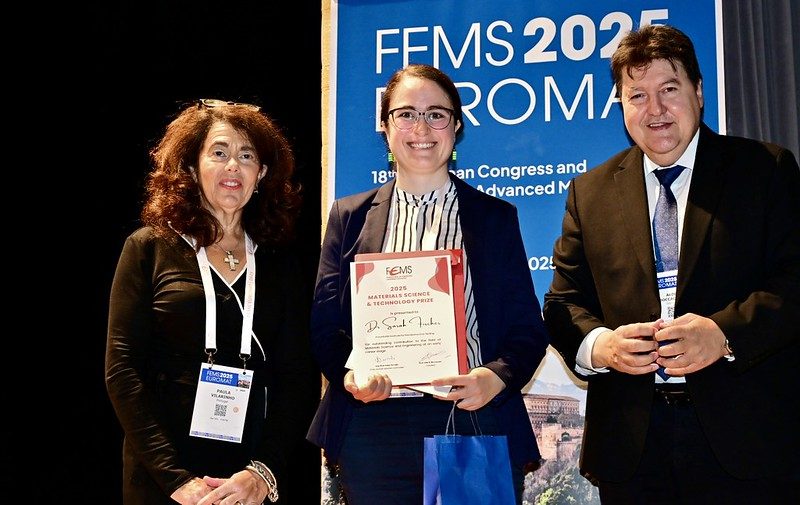
- FEMS Materials Science & Technology Prize Winner – Dr. Sarah Fischer, Fraunhofer Institute for Nondestructive Testing IZFP Saarbrücken, Germany “The sound of metamaterials: Engineering characterization methods for metamaterials with tailored sound and vibration properties”
- Prof. Dr. Rosa Menéndez, Institute of Science and Technology of Carbon INCAR-CSIC, Oviedo, Principado de Asturias, Spain “Graphene Materials for a Sustainable Future”
- Prof. Dr. Franz Faupel, Chair for Multicomponent Materials, Department of Materials Science, Kiel University, Germany “Sustainability crisis and our responsibility as scientific community”
- Prof. Dr. Stefan Pogatscher, Head Department Metallurgy | Chair of Nonferrous Metallurgy, Montanuniversität Leoben, Austria “Towards Sustainable Aluminium: Recycling Automotive Scrap”
- Prof. Sarah Haigh, Department of Materials, University of Manchester, UK “Probing dynamics atomic behaviour at complex surfaces and interfaces”
- Dr. Laura del Río, Arcelormittal, Oviedo, Principado de Asturias, Spain “Steel Additive Manufacturing by ArcelorMittal, from R&D to Industry”
- Dr. Javier Sanfelix, Team Leader – Advanced Materials | European Commission | DG Research and Innovation | Unit E3 – Industrial Transformation, Brussel, Belgium “Advanced Materials – European science and a political strategy for Europe”
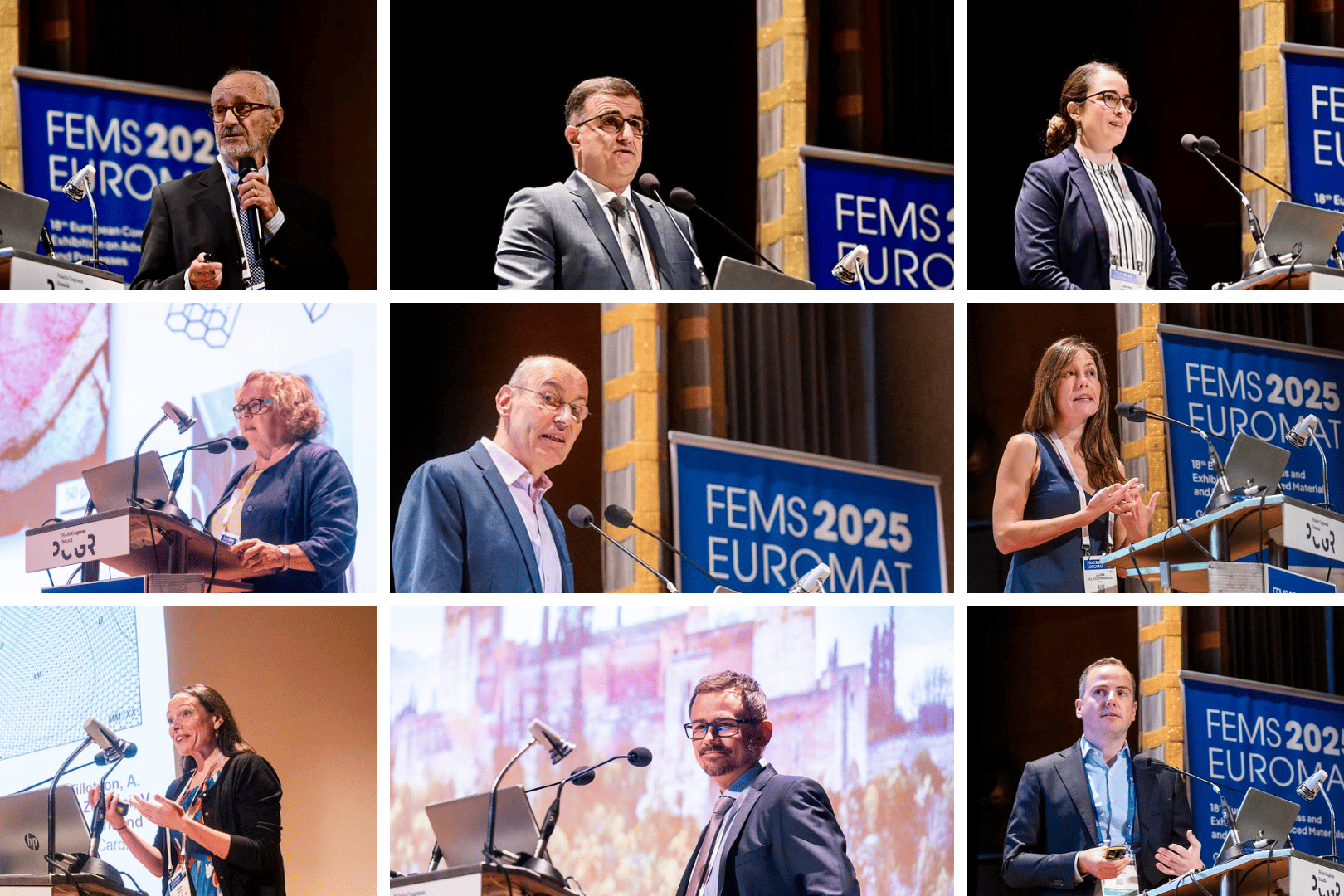
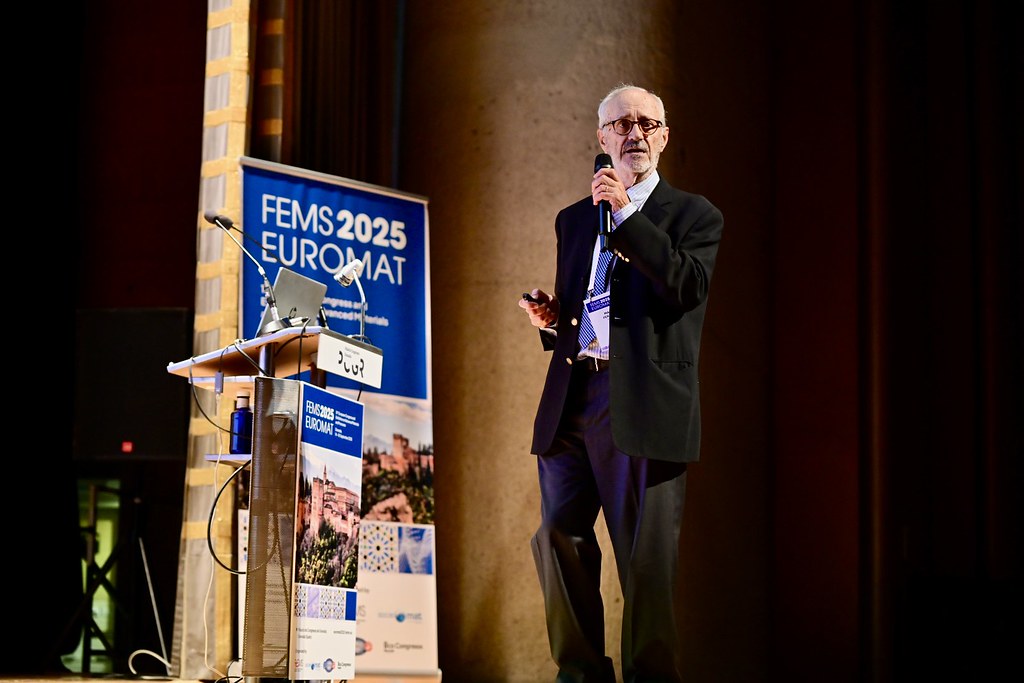
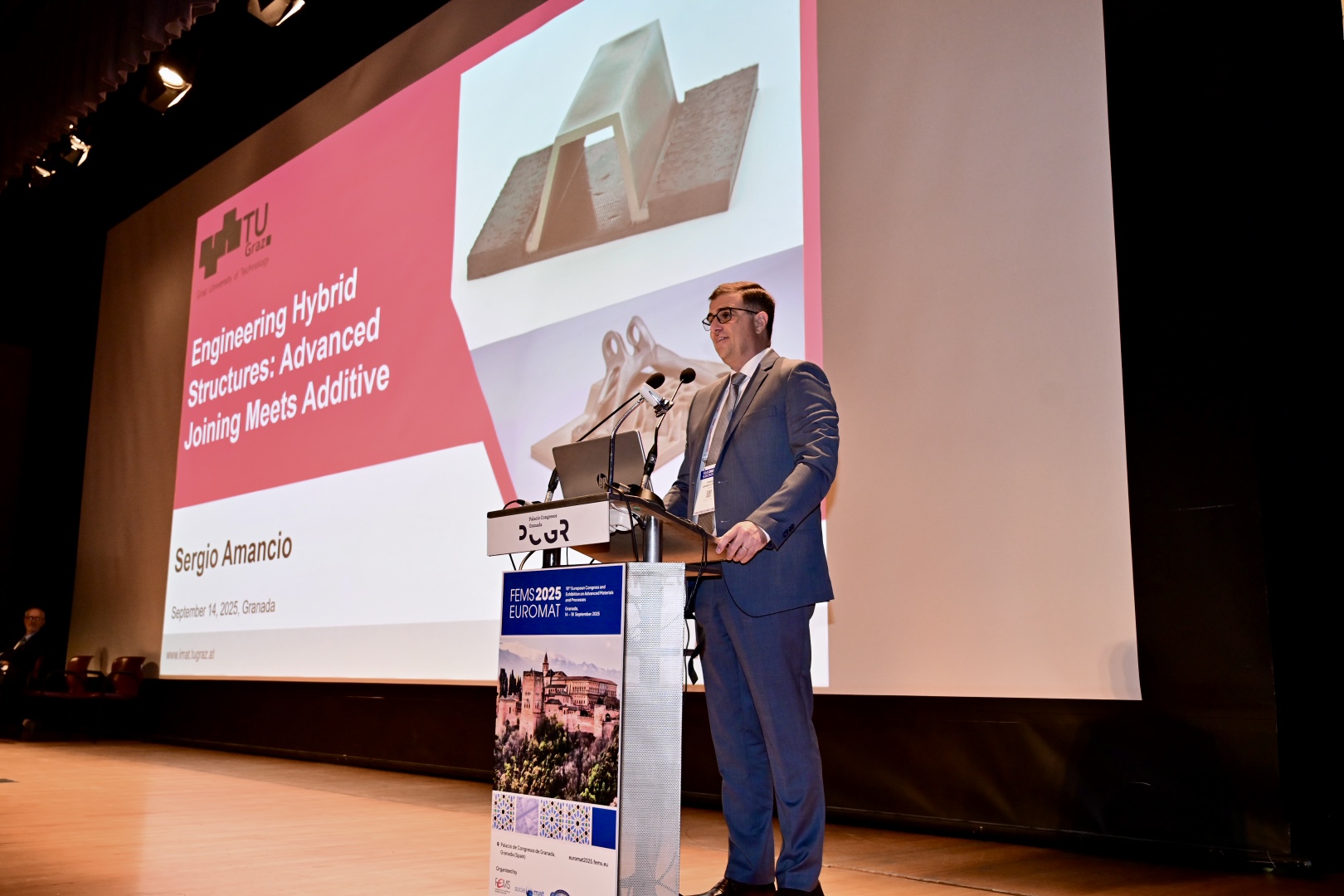
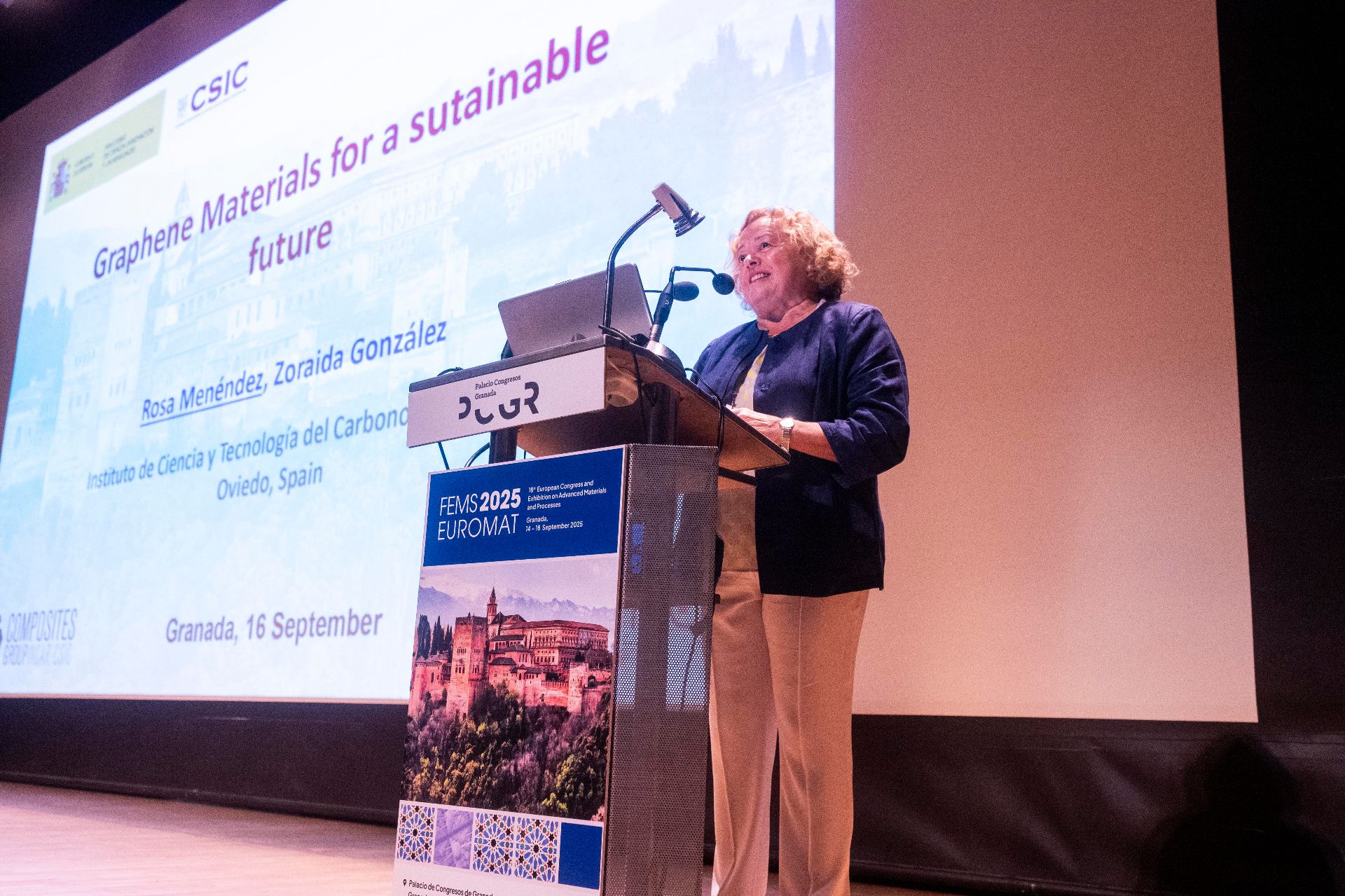
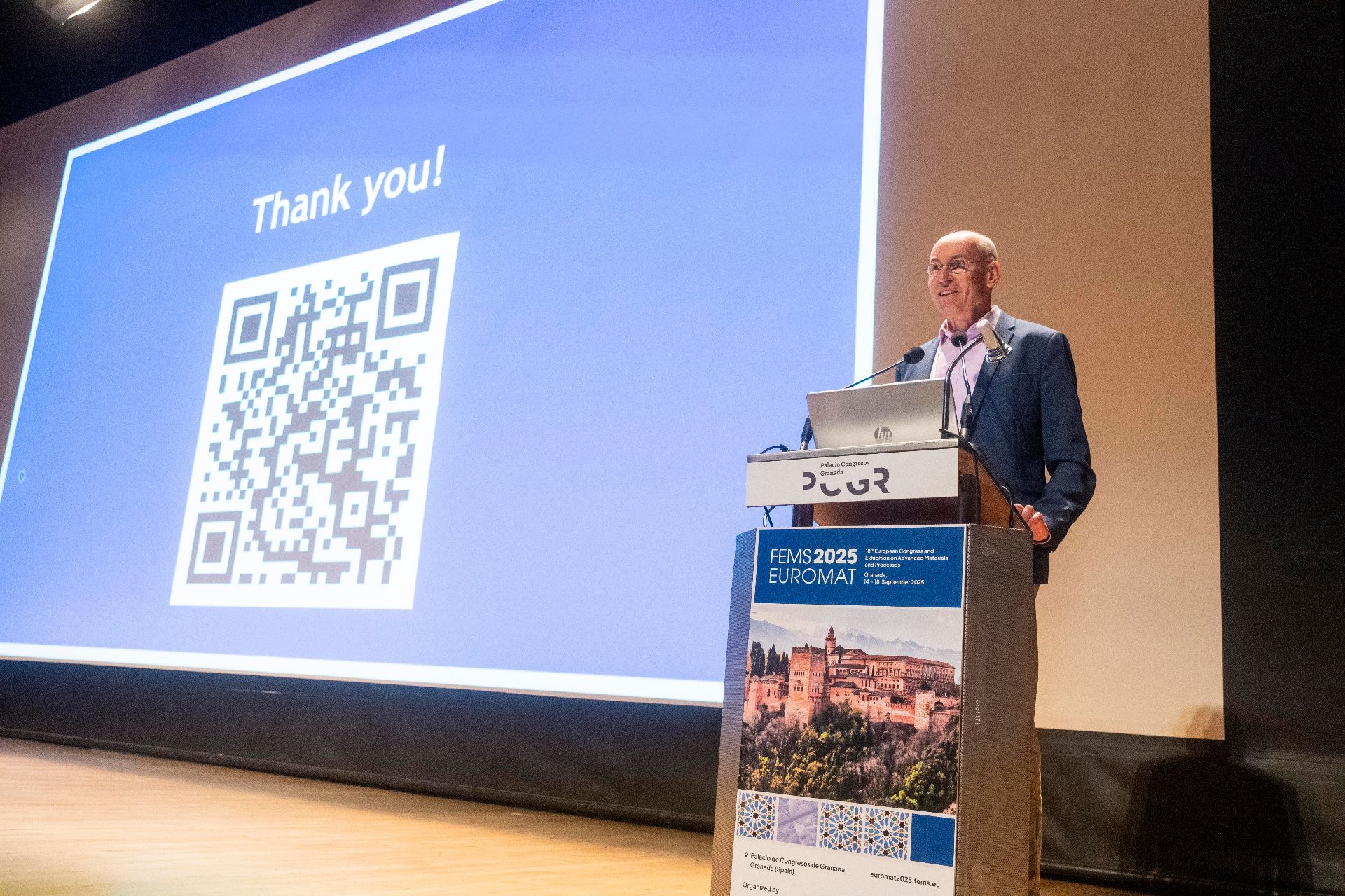
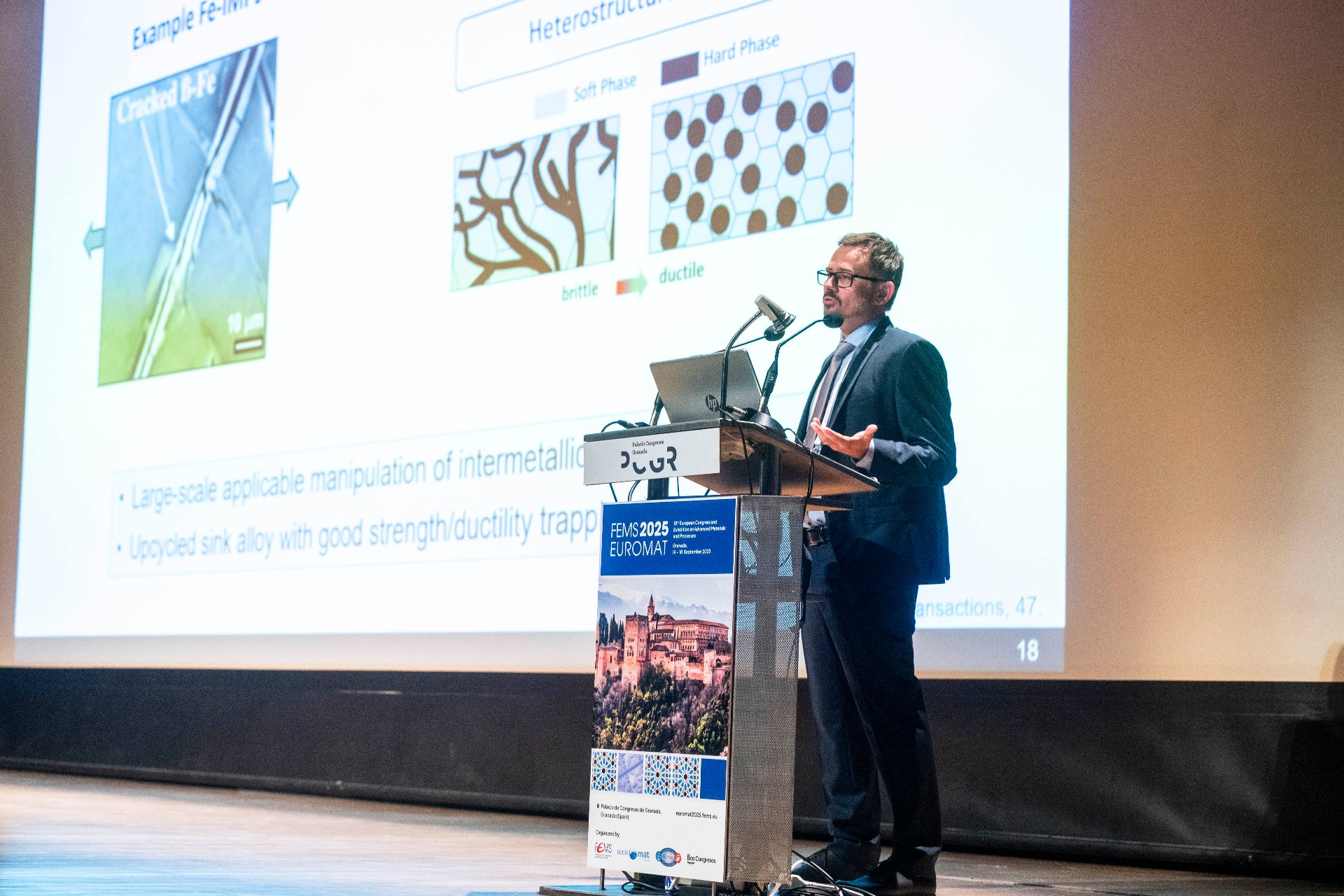
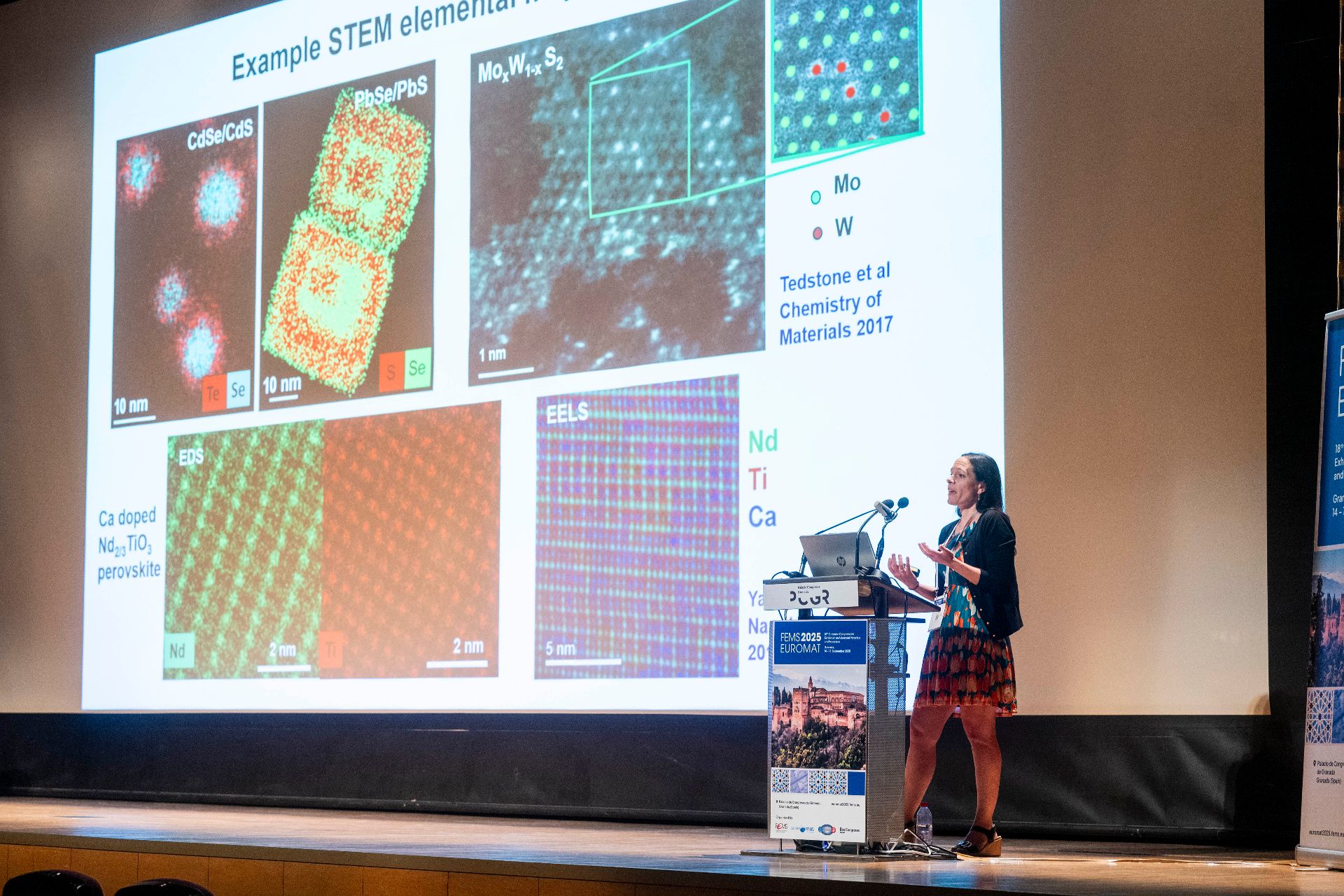
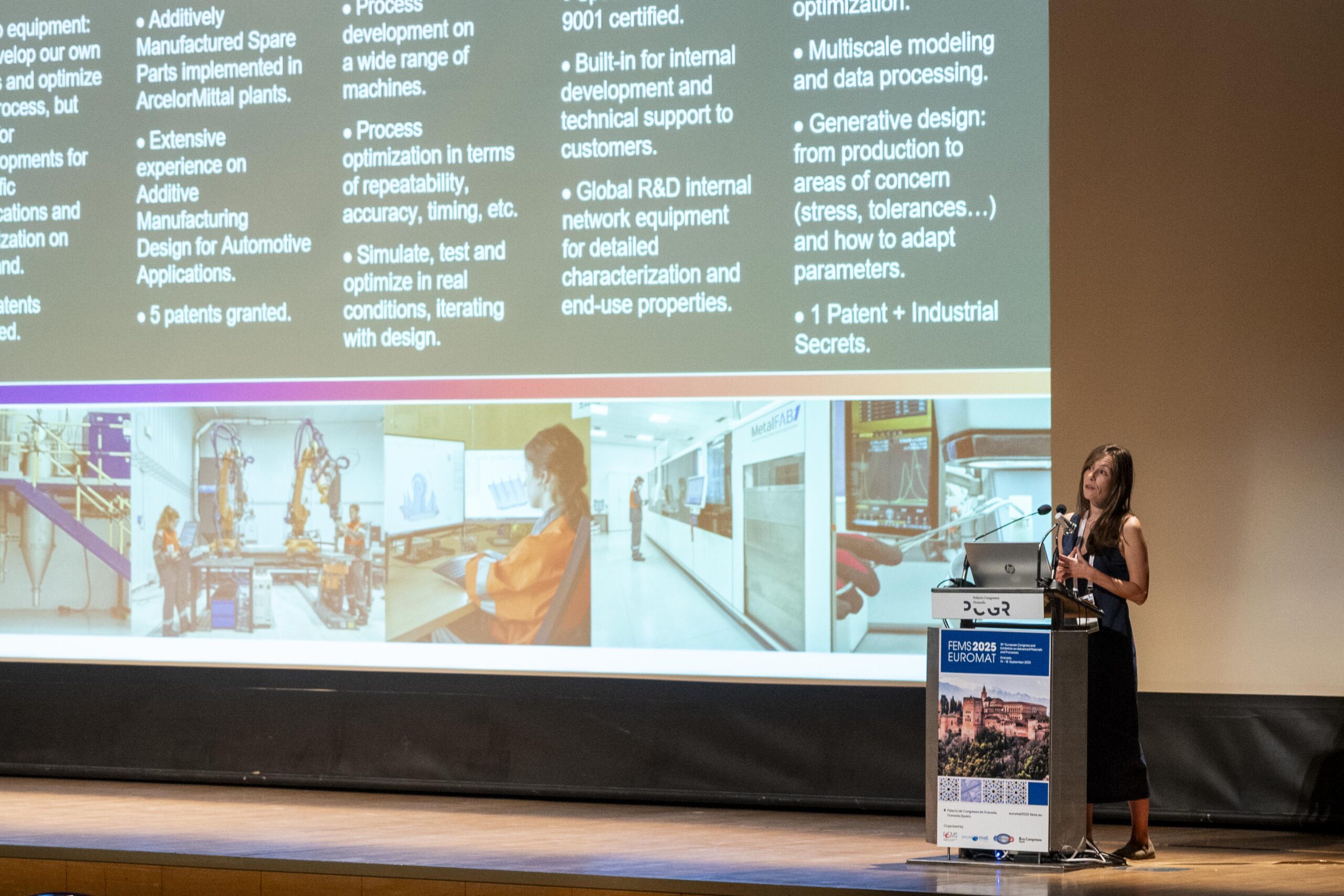
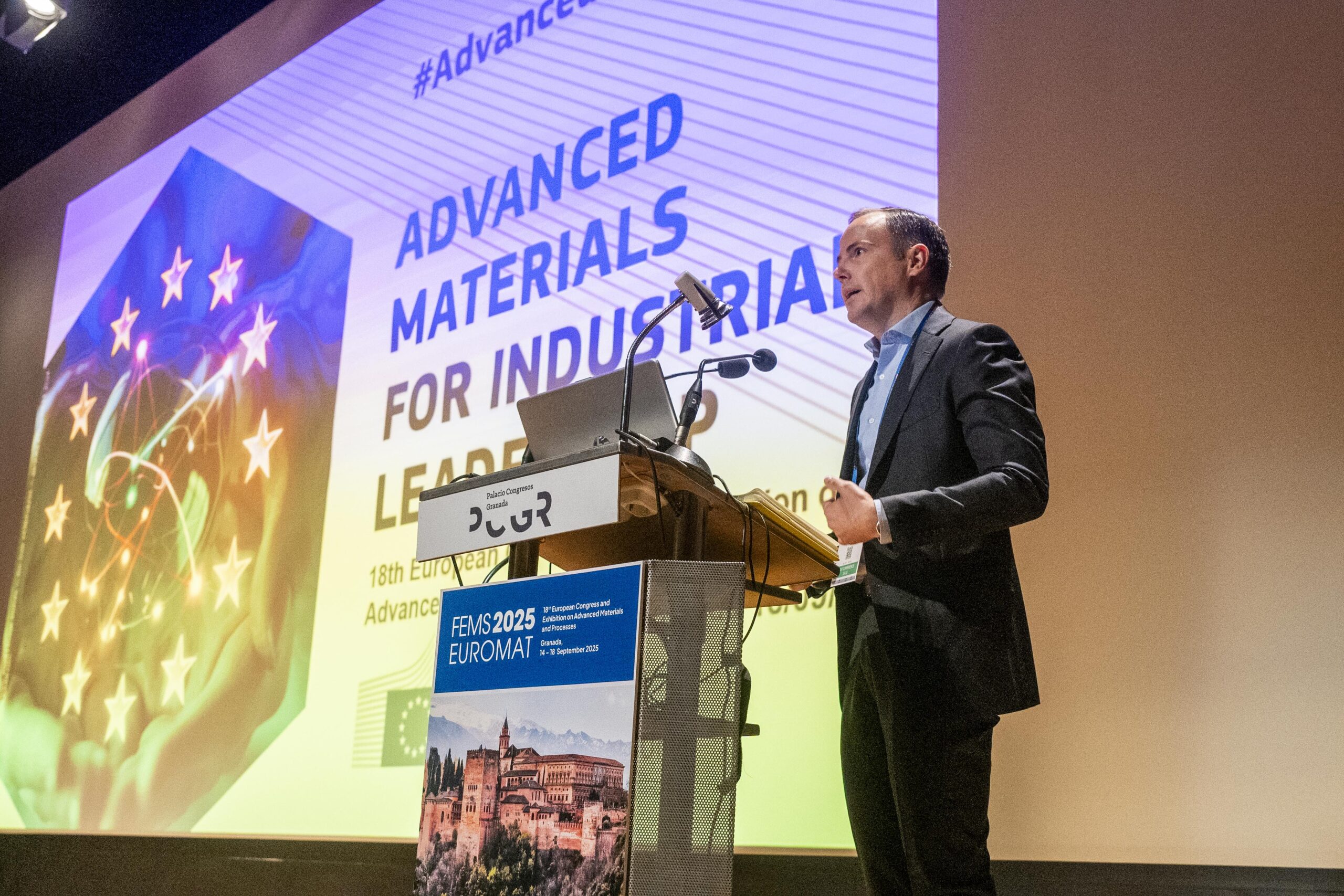
Image Gallery Slideshow
AREAS
The congress has been thoughtfully structured into key thematic areas to highlight the breadth and importance of the topics covered, ensuring a comprehensive approach across the entire field.
AREA A: FUNCTIONAL MATERIALS
Area Coordinators: Prof Dr. Theodora Kyratsi, University of Cyprus (CY) and Prof Dr. Francesco Baldi, University of Brescia (IT)
- A1 – 2D materials
- A2 – Nanomaterials, nanoparticles and nano-structuring
- A3 – Porous materials and metal organic frameworks
- A4 – Smart materials
- A5 – Functional soft materials
- A6 – Energy materials
- A7 – Functional materials: synthesis and applications
AREA B: STRUCTURAL MATERIALS
Area Coordinators: Prof Dr. Francisca G. Caballero, National Center for Metallurgical Research (CENIM-CSIC) (ES) and Prof Dr. Greg Haidemenopoulos, University of Thessaly / Department of Mechanical Engineering (GR)
- B1 – Advanced steels
- B2 – Light weight alloys
- B3 – High-temperature alloys and intermetallics
- B4 – Advanced structural ceramics
- B5 – High entropy materials
- B6 – Fatigue, wear and corrosion of materials and structures
- B7 – Materials characterization, testing and mechanical properties
- B8 – Hydrogen embrittlement of structural materials
- B9 – Novel theory and data driven materials design for structural applications
- B10 – Construction Materials
AREA C: PROCESSING
Area Coordinators: Prof Dr. Christof Sommitsch, Graz University of Technology – TU Graz (AT) and Prof Dr. Sandra Carvalho, University of Coimbra (PT)
- C1 – Metal additive manufacturin
- C2 – Additive Manufacturing of Polymers, Ceramics and Biomaterials
- C3 – Challenges in powder technologies
- C4 – Coatings and surface modification technologies
- C5 – Advanced ceramic materials processing
- C6 – Advanced polymers and composites processing
- C7 – Laser based processing and manufacturing
- C8 – Casting and joining
- C9 – Thermomechanical processing, severe plastic deformation & nanostructuring
AREA D: CHARACTERIZATION, MODELING AND ARTIFICIAL INTELLIGENCE
Area Coordinators: Prof Dr. Joanna Wojewoda-Budka, Polish Academy of Sciences (PL) and Prof Dr.-Ing. Thomas Niendorf, Kassel University / Institute of Materials Engineering (DE)
- D1 – Challenges and advances in microscopy
- D2 – Diffraction-based techniques
- D3 – Mechanics characterization and modelling
- D4 – Materials for hydrogen and energy applications – characterization and modeling
- D5 – Advanced biomaterials – characterization and modelling
- D6 – Multiscale modeling and data-driven research of advanced materials: ab initio, molecular dynamics and Monte-Carlo simulations & multiscale and multiphysics modeling of materials
- D7 – Digital materials: rapid materials, experiments, simulation workflows, ontologies and interoperability
- D8 – High-throughput materials -characterization and modelling
- D9 – Artificial intelligence, modelling and data science in advanced alloy and process design
AREA E: ENERGY AND TRANSPORTATION
Area CoordinatorS: Dr.-Ing. Dirk Lehmhus, Fraunhofer IFAM (DE) and Dr. Donatella Giuranno, National Research Council of Italy-ICMATE (IT)
- E1 – Automotive and surface transport
- E2 – Aeronautics
- E3 – Space exploration and exploitation
- E4 – Energy storage
- E5 – Renewable energy and hydrogen technology
- E6 – Energy harvesting
- E7 – Thermal energy management
- E8 – Nuclear energy: fission &fusion
- E9 – Emerging technologies for energy and transport applications
AREA F: MATERIALS FOR HEALTHCARE
Area Coordinators: Prof. Dr. Antonio Salinas Sánchez, Universidad Complutense de Madrid (ES) and Prof. Dr. ir. Annabel Braem, KU Leuven (BE)
- F1 – Biofabrication and 3D printing of biomaterials
- F2 – Smart biomaterials and bioresponsive systems
- F3 – Biomaterials for infection control
- F4 – Emerging materials and technologies in bioelectronics and biosensors
- F5 – Novel frontiers in biomaterials evaluation
- F6 – Design, synthesis and characterization of polymeric biomaterials
- F7 – Design, synthesis and characterization of bioceramics and bioglasses
- F8 – Metals in medicine: traditional and new alloys, permanent and bioresorbable Metals
AREA G: EDUCATION, DISSEMINATION, STRATEGY, AND TECHNOLOGY TRANSFER
Area Coordinators: Prof. Dr. Faith Nightingale, Queen Mary, University of London (UK) and Dr. David Mercier, Ansys (FR)
- G1 – Interdisciplinary materials education
- G2 – Disseminating materials research and strategizing new developments in materials education
- G3 – Material Informatics: bridging the gap from lab to market
AREA H: MATERIALS FOR CIRCULARITY AND SUSTAINABILITY
Area Coordinators: Prof. Arnaldo Moreno Berto, IUTC-UJI (ES) and Prof. Dr. Gesa Beck, SRH Berlin University of Applied Sciences (DE)
- H1 – Recycling of critical materials from WEEE including battery recycling
- H2 – Circular economy in the construction and ceramic industry
- H3 – Carbon-Capture technologies, polymeric and bio-based materials in circular economy
- H4 – Sustainable production and processing of metals
- H5 – Digitalization for circularity
- H6 – Materials circularity for sustainability
SATELLITE EVENTS
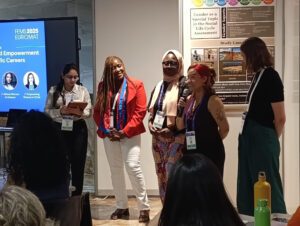
WORLD CAFÉ: EQUITY AND EMPOWERMENT IN SCIENTIFIC CAREERS
Presentation topics:
- Gender as a Special Topic in the Social Life Cycle Assessment
- Women in Africa in Science: Challenges and opportunities
- Supporting Women at Every Stage: Conversations on Career Development and Inclusion
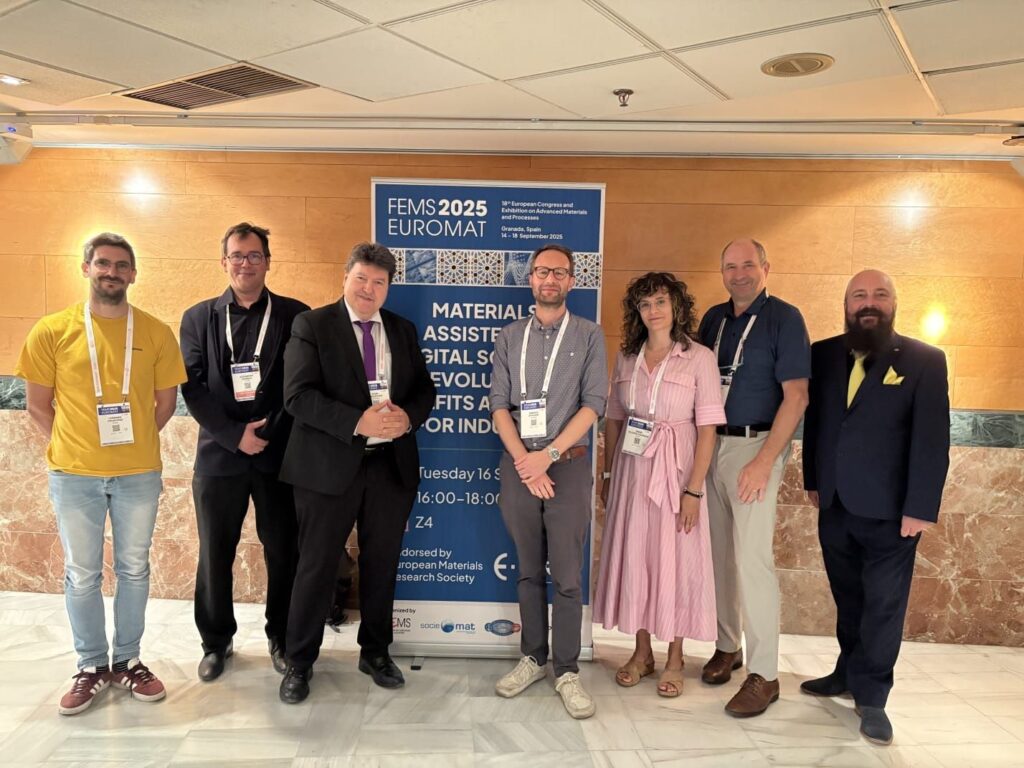
INDUSTRY WORKSHOP: MATERIALS ASSISTED BY DIGITAL SCIENCE
- Materials Informatics: Appreciation of Data and Algorithms, Prof. Markus Stricker, Materials Informatics & Data Sciences, Ruhr-Universität Bochum
- Digital Twin-Based Optimization of Battery Manufacturing Processes, Prof. Alejandro Franco, Université de Picardie Jules Verne
- Collaborative AI Framework to Boost Our Metallurgical Expertise and Accelerate Product Development, Dr. Irene de Diego Calderón, Scientist, Artificial Intelligence, ArcelorMittal – Global Research & Development
- Simulation of the homopolymerisation of bismaleimide monomers by tailored reactive Molecular, Leonard Courapied, Engineer, Safran Group
AWARDS
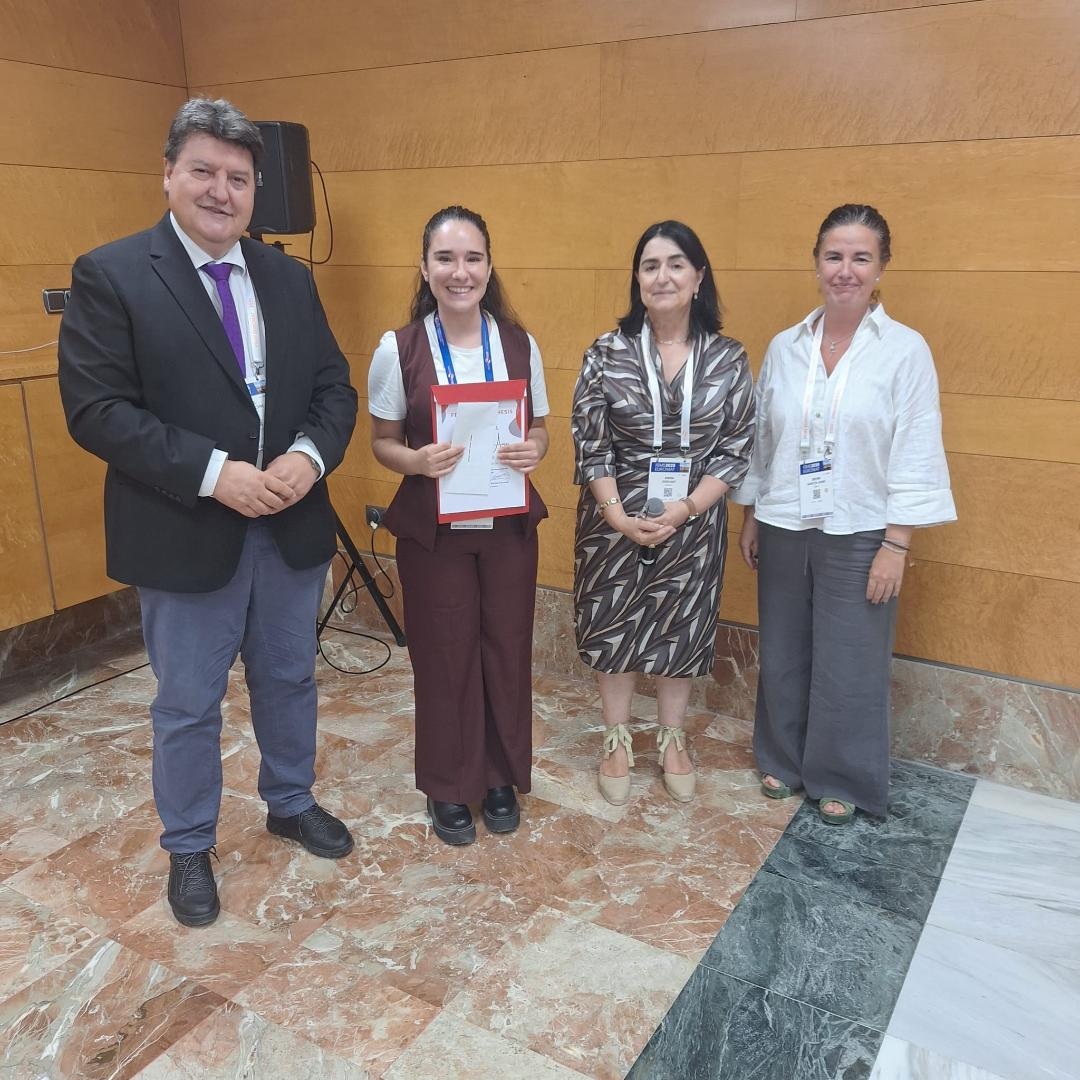
BEST POSTER AWARD
High temperature profilometry-based indentation plastometry for nickel alloy development in additive manufacturing
Konrad Gruber, Michal Karoluk, Karol Kobiela, Jakub Ciftci, Andrzej Pawlak
BEST POSTER AWARD
Optical properties of Sb-Ge and Ge-Se thin films for applications in photovoltaic devices
Marina García -Pardo, Víctor Bonal Díaz, Fernando Chacón Sánchez, Raquel Caballero Mesa, Rosalía Serna
BEST POSTER AWARD
Mechanical in situ investigation of Ni/PU hybrid foams for energy absorption applications using X-ray computed tomography
Jonas Fell, Hendrick Jost, Dionne Schnubel, Marius Weiler, Has-Georg Herrmann
BEST POSTER AWARD
Detection of fiber orientation using computer vision and analysis of its mechanical effects in composite materials
Juan Liébana Cruz, Elías López Alba, Francisco A. Díaz Garrido, Giancarlo Gómez Gonzales, Juan A. Almazán Lázaro
CONGRESS STATISTICS
TOTAL REGISTRATIONS
%
FEMENINE
EXPOSITORS REGISTRATIONS
%
MASCULINE
PLENARIES
HIGHLIGHT PRES.
ORAL PRESENTATIONS
POSTER PRESENTATIONS
OPENING, SOCIAL PROGRAMME & CLOSING EVENTS

View the EUROMAT 2025 Image Gallery – Click here
On Sunday, 14 September 2025, the official opening of FEMS EUROMAT 2025 took place, led by Congress Chairs Prof. Rodrigo Moreno and Prof. Anna Zervaki. The event featured welcome speeches from Prof. Aldo Boccaccini, President of FEMS, followed by a presentation by Mrs. Eva Garde from the Granada Convention Bureau. The evening included two plenary lectures: one by Prof. Dr. Mario Ferreira, recipient of the FEMS European Materials Gold Medal, and another by Prof. Dr. Sergio Amancio-Filho, winner of the FEMS Materials Innovation Medal. The day concluded with a Welcome Reception on the terrace of the Granada Congress Center, providing attendees with a relaxed setting to network and enjoy the views of the city.
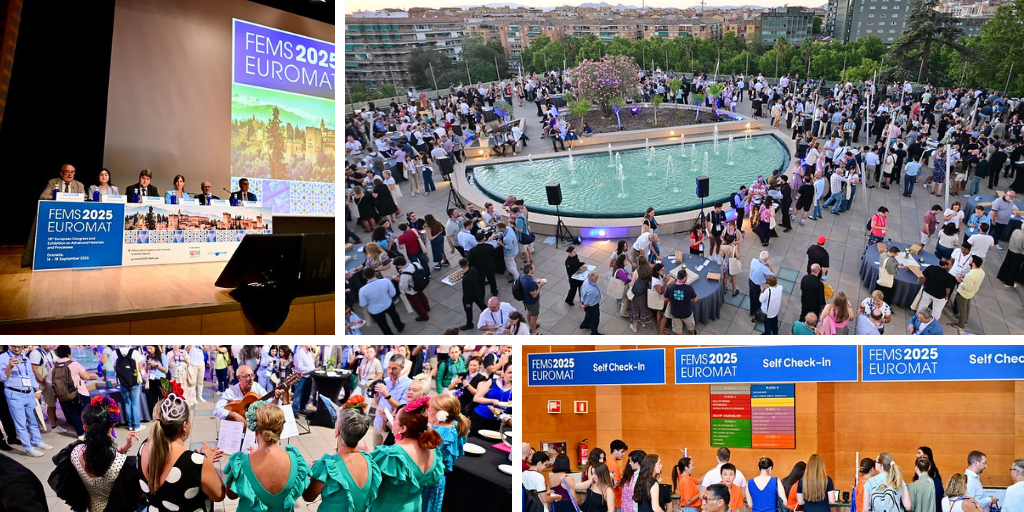
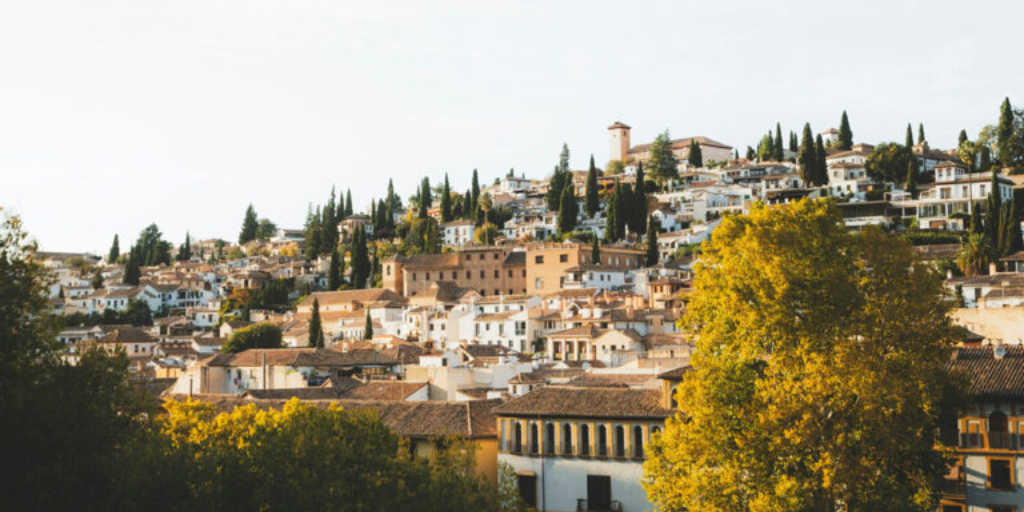
As part of the social programme, attendees enjoyed a guided walking tour through Granada, discovering its rich history and local culture with expert guides.
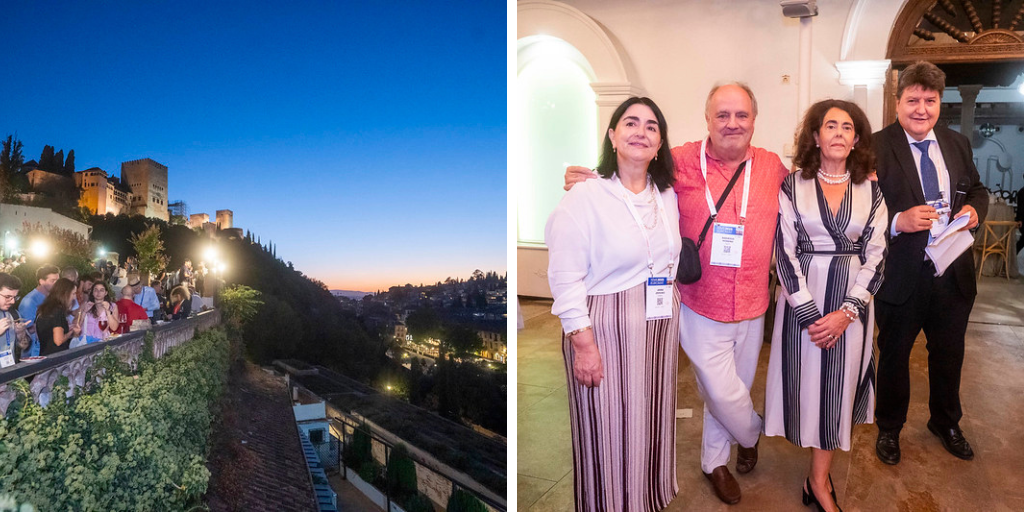
On 16 September, participants attended a cocktail dinner at Carmen de los Chapiteles, a unique venue with breathtaking views of the Alhambra and the Albaicín, combining networking, local cuisine, and cultural ambiance.
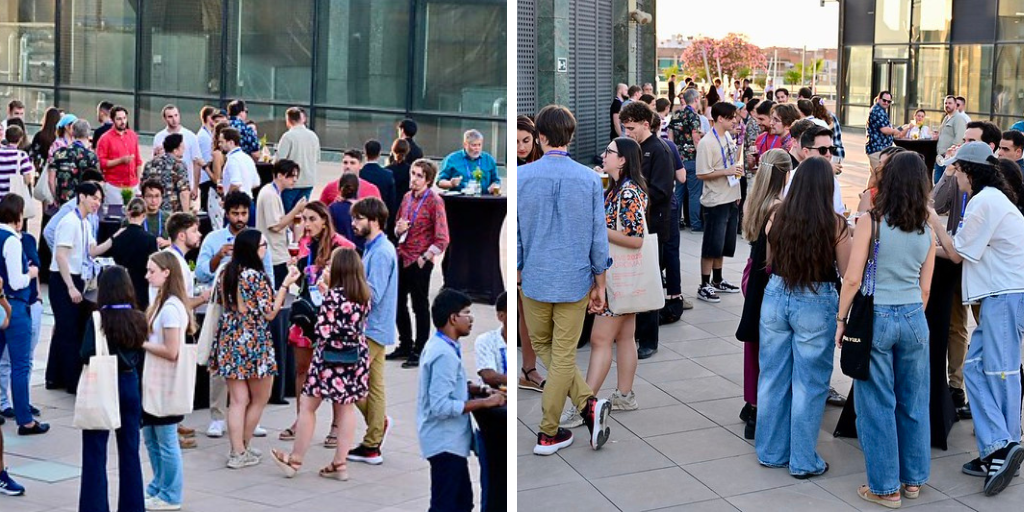
The next evening, 17 September, young researchers gathered for a vibrant Fraternity Party on the Granada Congress Center terrace. With music, food, drinks, and a relaxed atmosphere, the event fostered international networking.
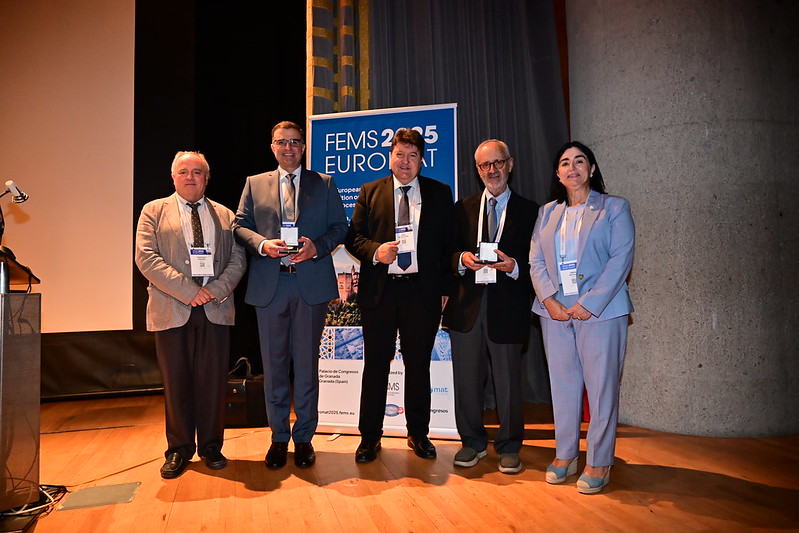
The congress concluded with a Closing Ceremony, including: Awards for the best poster presentations, te announcement of the host city for FEMS JUNIOR EUROMAT 2026, the unveiling of the venue for FEMS EUROMAT 2027 and final remarks celebrating the success of the event and looking ahead to the future of materials science in Europe.